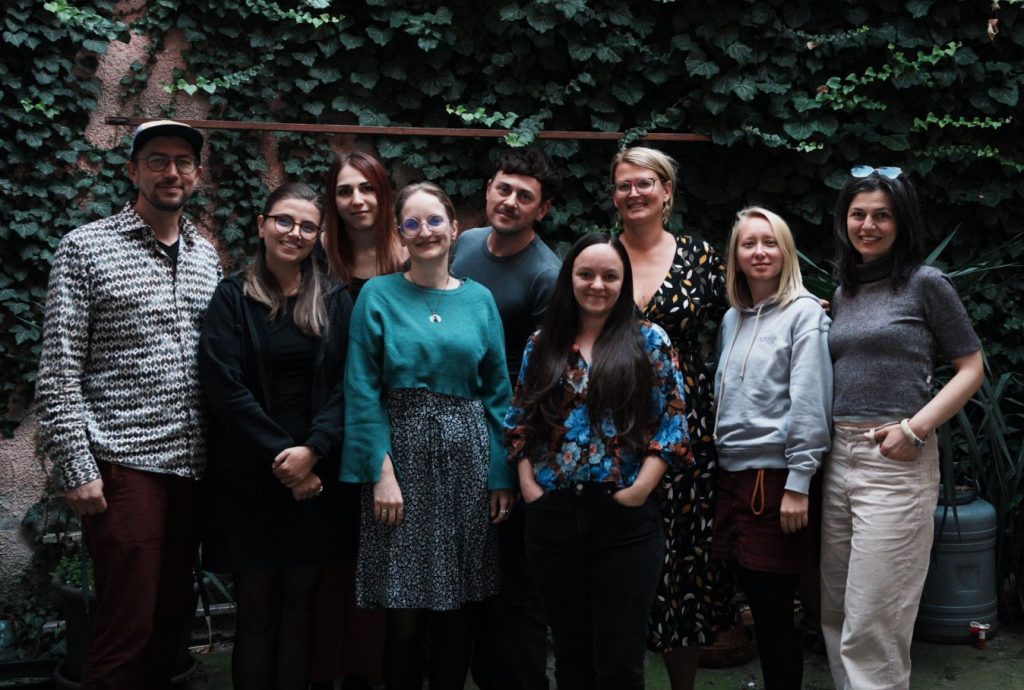
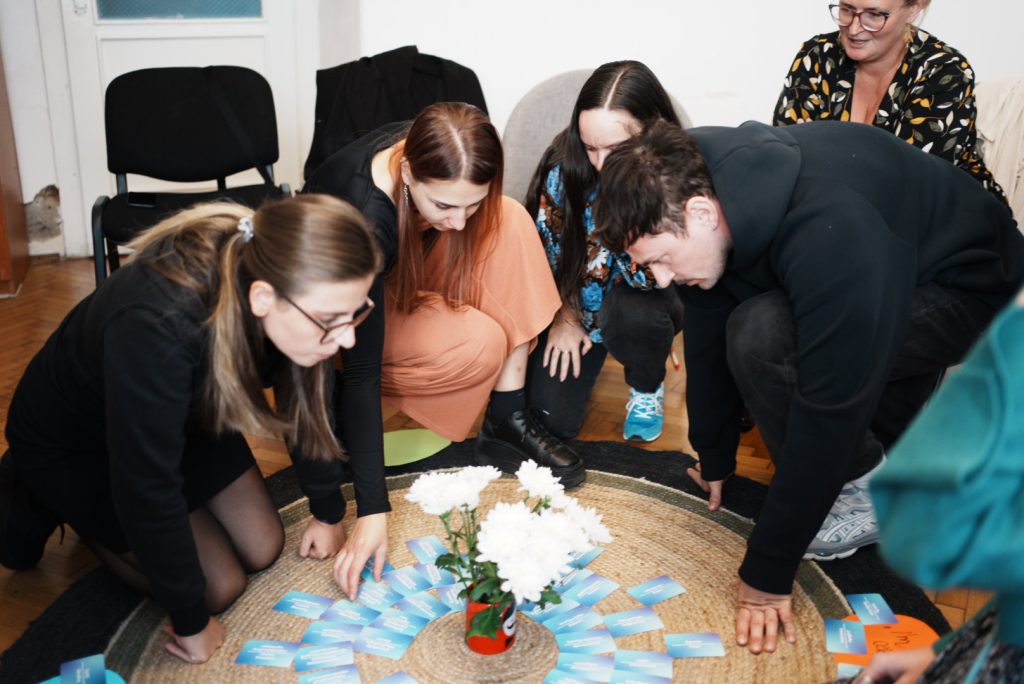
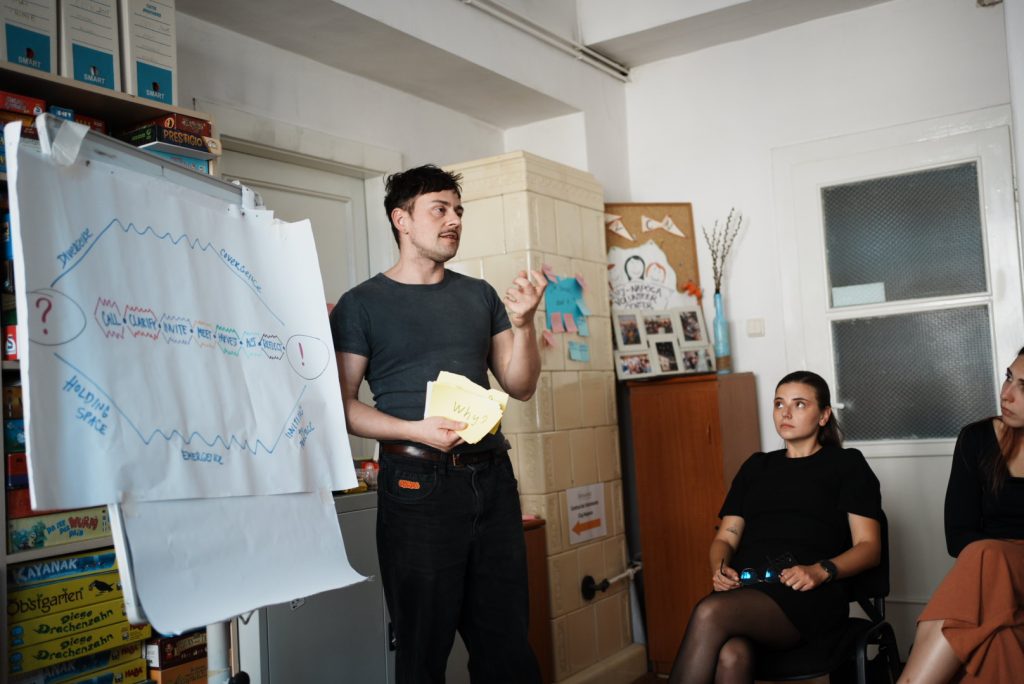
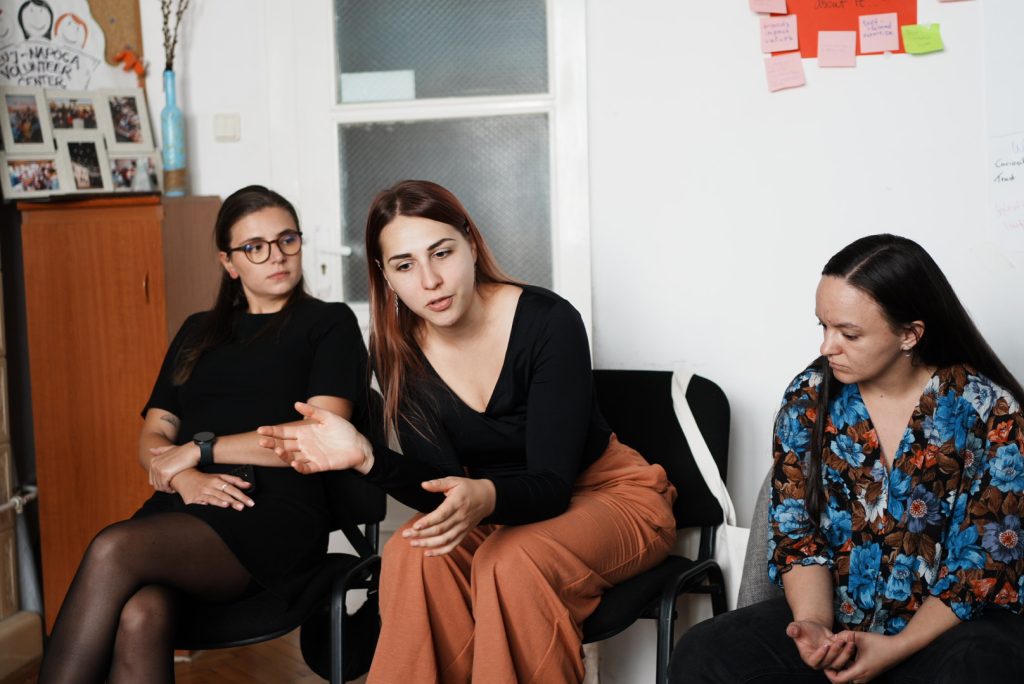
How do we create spaces where young people with very different experiences can truly listen to each other? How can youth workers respond when conversations turn into conflict, or when some voices are quietly left out? These are the questions at the heart of SEED, a new Erasmus+ project that CSF is launching together with Gutenberg Association from Romania and Foundation RE from Poland, and for which we have recently had our introductory set of meetings.
Over the next 14 months, our three organisations will work side by side to explore, test and share approaches that help young people engage in respectful dialogue, build empathy and take part in civic life. Bringing together experiences from three countries, we hope to learn from each other’s practices and build something stronger together than any of us could alone.
Why SEED, and why now?
Many young people today experience exclusion, polarisation and conflict, whether in their schools, their communities or online. For youth workers and facilitators, this creates both a challenge and an opportunity. Creating a space where everyone feels safe to speak, where differences are acknowledged rather than ignored, and where disagreement doesn’t end the conversation takes skill, reflection and the right tools.
SEED responds to this need by combining two powerful perspectives. Nonviolent Communication (NVC) offers a practical way to express ourselves honestly and listen with empathy, even in tense situations. An intersectional perspective helps us understand how different aspects of identity, such as gender, background, ability or social status, shape the way young people experience the world and how they are included or excluded.
Together, these approaches can help us build youth activities where belonging and participation are not just goals, but lived experiences.
What will the project do?
SEED is built around three connected objectives.
First, we want to develop a shared understanding across our organisations of how intersectionality and NVC can support youth participation and civic engagement. Through exchanging practices and reflecting together, we will look closely at how young people experience exclusion and conflict, and what helps create genuinely respectful dialogue spaces.
Second, we will strengthen the competences of our facilitators and youth workers. Through training, peer learning and designing activities together, our teams will build skills in dialogue facilitation, inclusive group work, conflict-sensitive facilitation and participatory learning.
Third, we will turn what we learn into something lasting. The partners will develop concrete methodological tools and organisational practices that support dialogue, belonging and democratic participation, ready to be used in our programmes with young people.
What comes next?
By the end of the project, we expect our organisations to be better equipped to design and facilitate youth and civic education activities that truly make a difference. Our staff will have grown their skills, our training practices will be stronger, and we will have practical tools to share with the wider youth work community.
SEED contributes directly to two Erasmus+ priorities: “Common values, civic engagement and participation” and “Inclusion and diversity in education and youth work.” For us at CSF, it is also a chance to learn from our colleagues at Gutenberg Association and Foundation RE, question our own practices and grow alongside the young people we work with.
We will be sharing updates, reflections and resources here as the project develops. Stay tuned and follow along as we plant the first SEEDs.